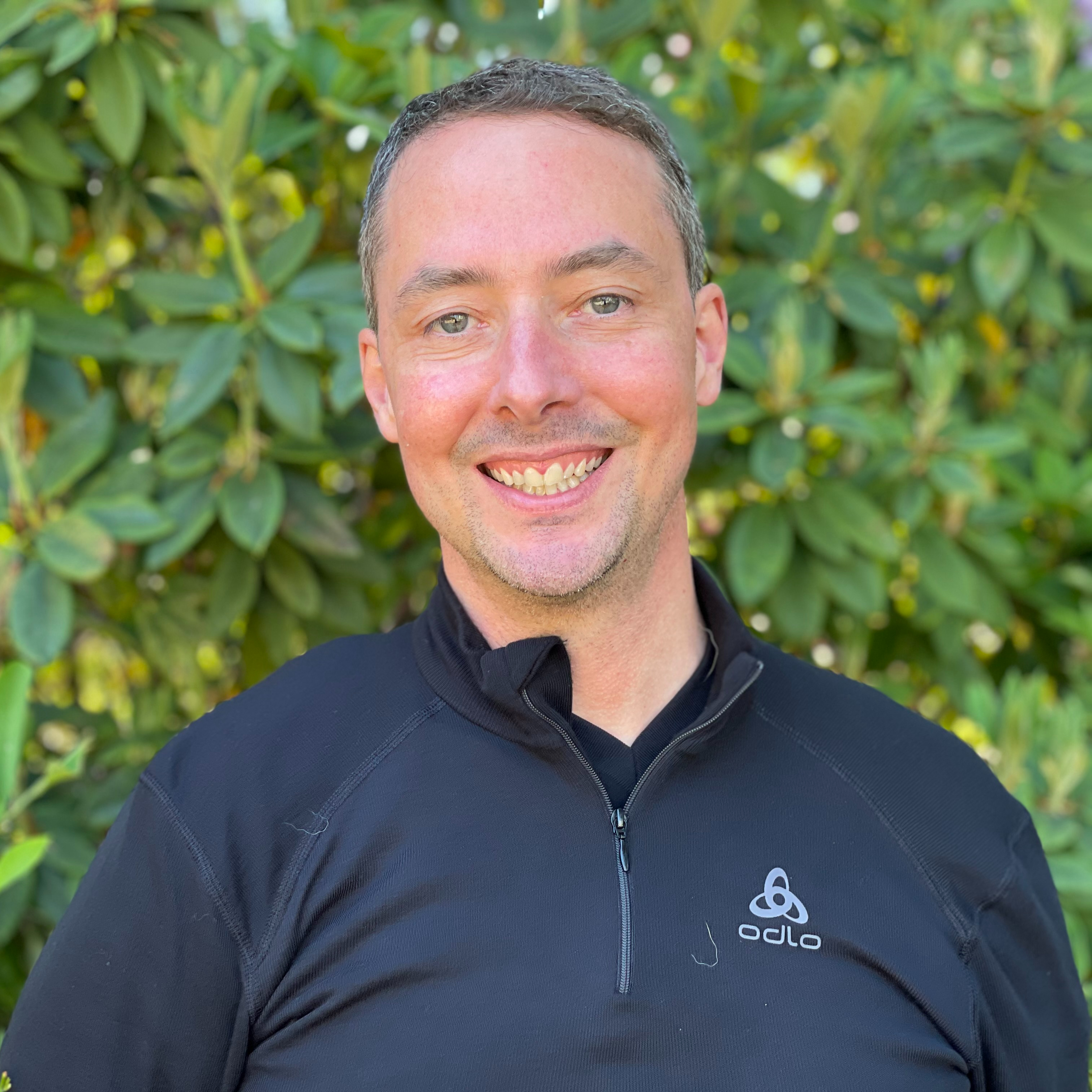
Randall Scharien, Associate Professor, ICE Lab Director
PhD. Microwave Remote Sensing, University of Calgary
ResearchGate | Google Scholar | Twitter
Randy Scharien is an expert in the microwave remote sensing of the cryosphere and the impacts of changing climate on sea ice. He joined the University of Victoria in 2014. Prior to that he was a European Space Agency Changing Earth Science Network investigator (2013-2014). He uses in situ, airborne, and satellite remote sensing to study the changing cryosphere, with emphasis on atmosphere-sea ice-ocean interactions. He has conducted field research at several high latitude locations, including the Canadian Arctic, the European Arctic, and Antarctica.
Current Members
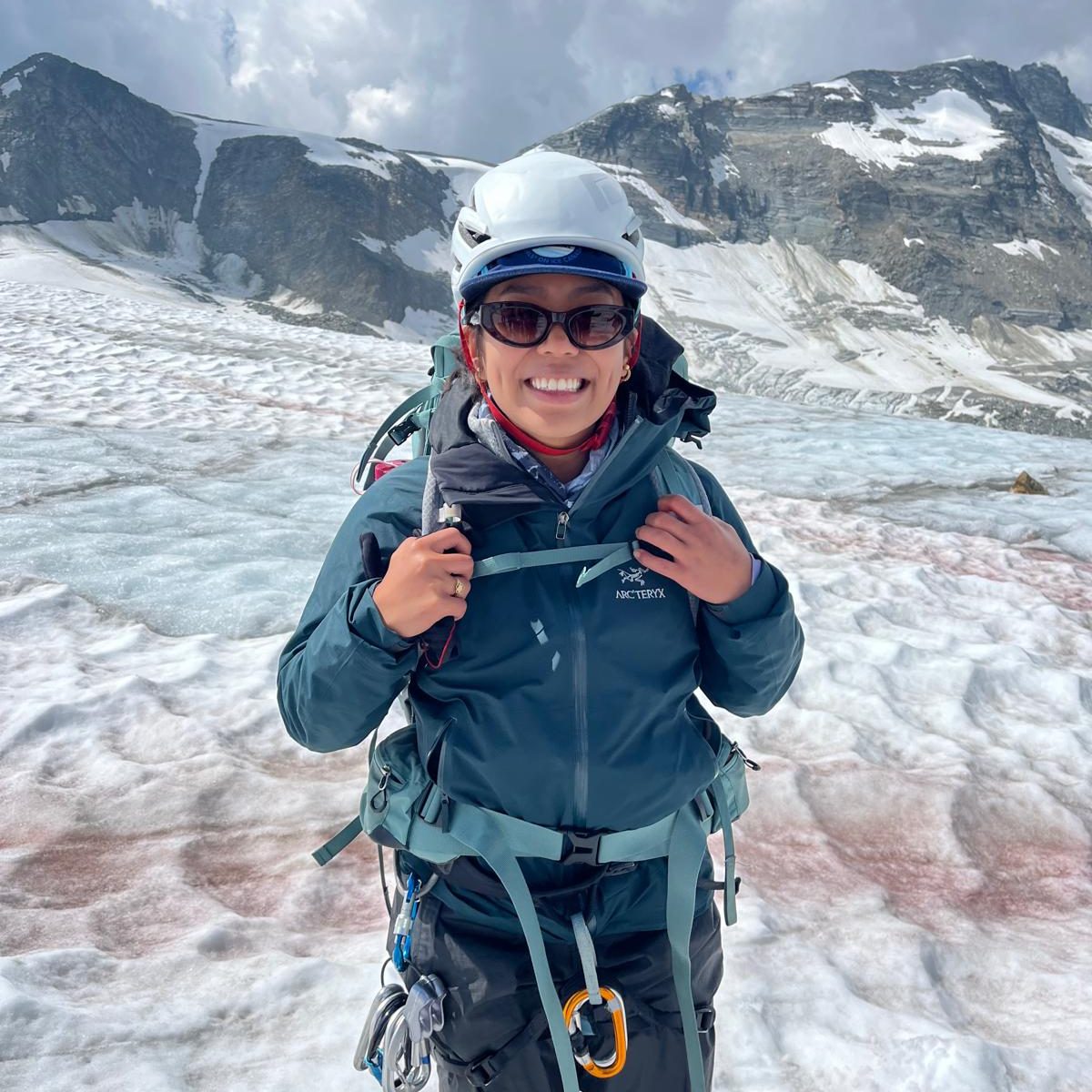
Chimira Andres, Post-Doctoral Scholar (2025)
PhD. Earth and Space Science and Engineering, York University and Laboratoire de Planétologie et Géosciences, Nantes Université
MSc. Geophysics and Planetary Science, University of Western Ontario
BSc. (Hons) Integrated Science (specialization in Earth Sciences), McMaster University
Chimira is a planetary geophysicist and glacial geomorphologist who studies debris-covered glaciers and permafrost. Her PhD work investigated the application of radar remote sensing and geomophology in glacial-periglacial landsystems on Mars and in the Yukon Territory, Canada (for the proposed International Mars Ice Mapper; I-MIM Mission). Her goal is to improve detection and characterization of ice and its geomorphic signatures across planets. Chimira’s ICE Lab work uses multifrequency SAR (i.e. CryoSAR, NISAR, RCM) to investigate sea ice roughness retrievals from radar backscatter and high-resolution digital elevation models.
Jaymie Fletcher, MSc. Student (2025)
BSc. (Hons) Geography and Coastal Studies, University of Victoria
Jaymie is working to develop a retrieval method that leverages L-band Synthetic Aperture Radar (SAR) data to detect and characterize slush on Arctic sea ice. Her research explores the temporal variability of slush formed via negative freeboard flooding, creating a change detection framework using imagery from NASA–ISRO’s newly launched NISAR mission. By pairing NISAR images with coincident field measurements of snow, slush, and sea-ice properties, Jaymie’s work seeks to address the critical knowledge gap surrounding slush in Arctic sea-ice remote sensing.
Neil Brubacher, PhD. Student (2024)
BSc. & MSc. Systems Design Engineering, University of Waterloo
Neil was introduced to sea ice remote sensing during his master’s degree, where he worked with the Arctic Eider Society in developing methods to detect important areas of open water in sea ice near northern communities. Captured by sea ice and microwaves, Neil joined the ICE Lab with a focus on improving the characterization and estimation of sea ice thickness from synthetic aperture radar (SAR) imagery. He is integrating extensive field data on snow and sea ice properties with C- and L-band SAR to paint a picture of how ice thickness varies in space and time, and how microwaves “see” these distributions.
Kalum Delaney, MSc. Student (2023)
BSc. (Hons) Environmental Geomatics, University of Guelph
Kalum’s research is focused on the development of a retrieval method of sea ice melt pond fraction on first-year and multi-year landfast sea ice within the Canadian Arctic Archipelago. His research uses high-resolution RCM SAR to develop an indicator for melt pond fraction that implements the regional heterogeneity and temporal variability associated with melt pond evolution. This work combines sea ice melt processes with the development of SAR-based sea ice indicators to investigate surface albedo and Arctic sea ice evolution during the melt season.

Adrià Blanco-Cabanillas, PhD. Candidate (2022)
MSc. Physics and Meteorology, University of Barcelona
BSc. Aeronautical Engineering, Polytechnic University of Catalonia
ResearchGate | Twitter | LinkedIn
Adrià’s research focuses on the atmospheric and oceanic impact on sea ice variability in Baffin Bay. His research objective is to develop a better understanding of the linkages between climate changes and sea ice conditions. Adrià seeks to overcome the difficulty of making widespread observations in the Arctic, which has limited our knowledge in the past, by using leading-edge and high-resolution satellite technology combined with atmospheric reanalysis datasets.
Past Members
Connor Dean, MSc. Student (2022-2025)
BSc. (Hons) Physical Geography and Geomatics, University of Victoria
ResearchGate | Twitter | LinkedIn
Connor was a master’s student specializing in SAR-based monitoring of supraglacial in Greenland. His research primarily aimed to tackle SAR detection challenges including the influence incidence angle, enabling improved temporal resolution for time series analysis. He explored novel single- and dual-frequency machine learning techniques for detecting supraglacial lakes in both melt and winter seasons. Connor’s work used various SAR sensors, including Sentinel-1, RADARSAT Constellation Mission, ALOS PALSAR-2, SAOCOM-1, and TerraSAR-X.

Kali McDougall, MSc. Student (2022-2025)
BSc. (Hons) Physical Geography and Geomatics, University of Victoria
ResearchGate | Twitter | LinkedIn
Kali’s master’s work was focused on developing an automated technique for detecting rifts in Antarctic ice shelves using dual-pol C- and L-band SAR (Sentinel-1, PALSAR-2, SAOCOM-1) and ICESat-2 laser altimetry. Her research aimed to identify the constraints on rift detectability posed by SAR frequency and polarization, fracture geometry, and surface melt conditions. Her research also compared the applicability of object-based vs. pixel-based techniques in their ability to detect ice shelf rifts.
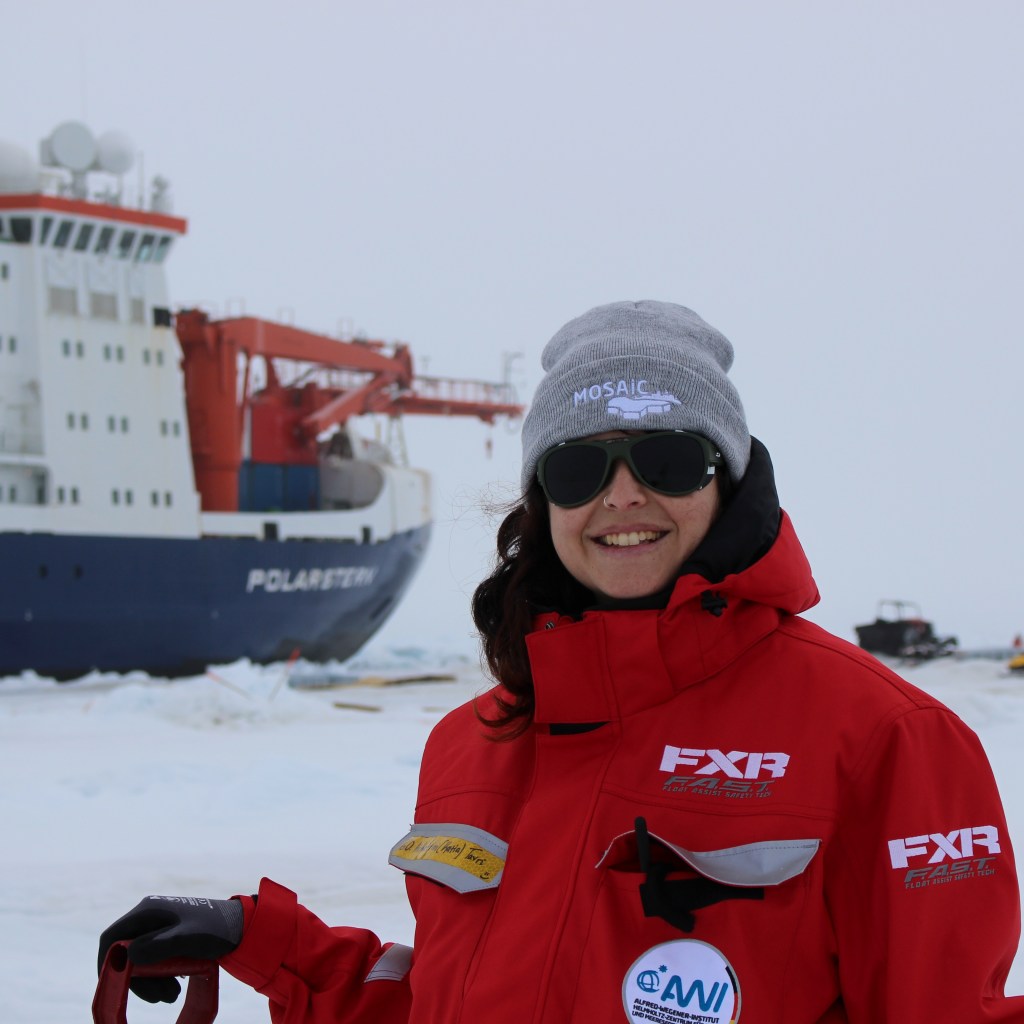
Aikaterini (Katia) Tavri, PhD. Student (2017-2023)
MSc. Earth Oriented Space and Technology, Technical University of Munich
BSc. Environmental Sciences, University of the Aegean
ResearchGate | Google Scholar | Twitter | LinkedIn
Katia was a PhD student in Microwave Remote Sensing, working on sea ice classification using SAR data. Her research aimed to evaluate the use of polarimetric SAR features for assessing the contribution of scattering mechanisms for sea ice type discrimination and evolution. Katia’s main focus was on the RADARSAT Constellation Mission (RCM), which establishes a new era for SAR-based Arctic marine environmental monitoring.
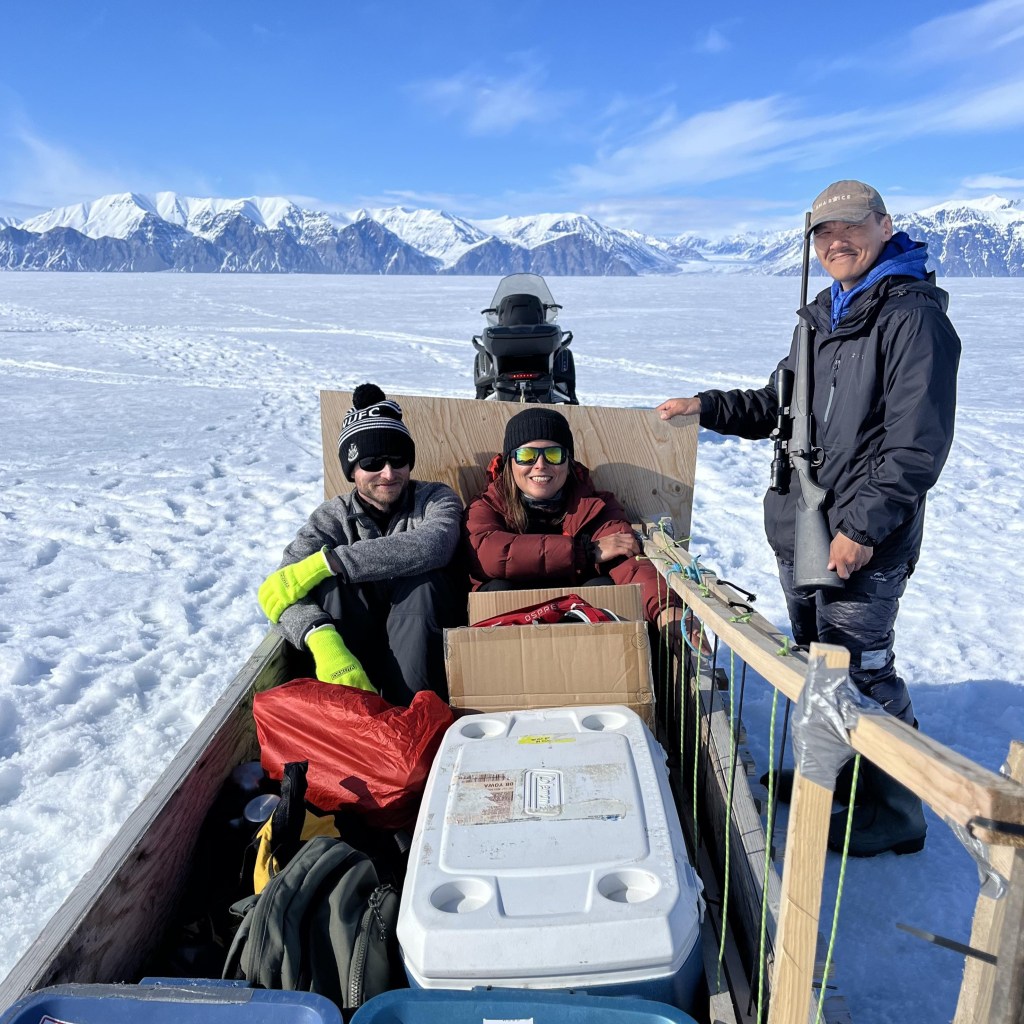
Grant Macdonald, Post-Doctoral Scholar (2022-2024)
PhD. Geophysical Sciences, University of Chicago
MPhil. Polar Studies, University of Cambridge
Grant was an Aspiration 2030 postdoctoral fellow and uses a combination of remote sensing and fieldwork to investigate cryosphere change in the context of a changing climate. His PhD work investigated the surface hydrology of ice shelves in Greenland and Antarctica. His work in the ICE Lab primarily focused on using synthetic aperture radar to improve measurements of, and investigate, variations in sea ice topography.

Parnian Rezania, PhD. Student (2017-2022)
MSc. Geological Remote Sensing, Azad University of Isfahan
BSc. Geology and Earth Sciences, Azad University of Isfahan
Parnian’s master’s research was on the application of remote sensing data in groundwater exploration. She employed optical remote sensing data, elevation data (Aster DEM), as well as several hydrological and geophysical methods to identify potential well locations in the Borkhar area in central Iran. Parnian began a PhD project focused on Arctic sea ice hazard monitoring using satellite remote sensing data in the fall of 2017.
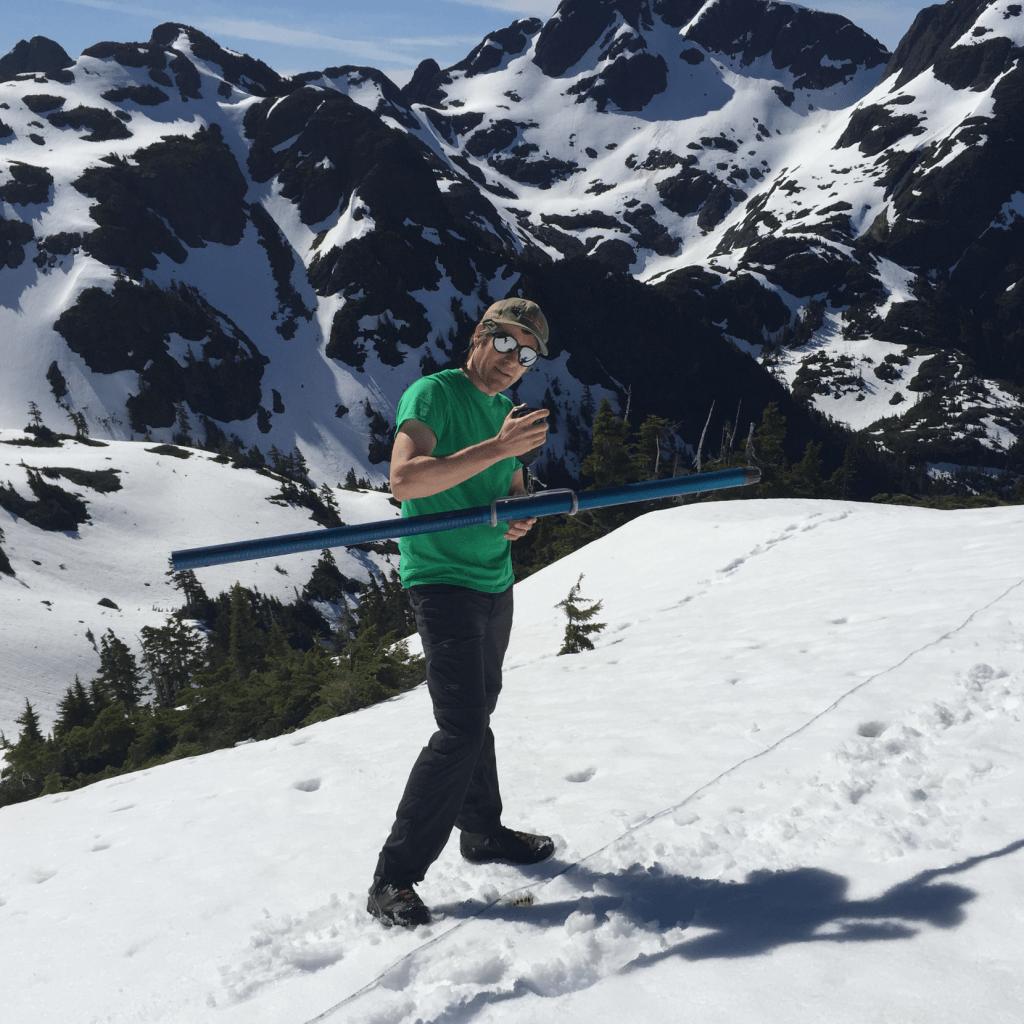
Trevor Dickinson, MSc. Student (2019-2021)
BSc. Physical Geography and Indigenous Studies, Vancouver Island University
Trevor’s research focused on the estimation of snow depth and snow water equivalent using remotely piloted aircraft systems (RPAS). His research was carried out in the Russell Creek watershed region of northern Vancouver Island and was in collaboration with the Coastal Hydrology & Climate Change Research Lab led by Dr. Bill Floyd.
Vishnu Nandan, Post-Doctoral Scholar (2018-2019)
PhD. Geography, University of Calgary
MSc. Earth Observation Sciences, University of Twente
Vishnu’s post-doctoral research focused on understanding the critical role of snow cover impacting sea ice thickness retrievals from radar satellites. At UVic, Vishnu assisted with preparation activities for the ICE Lab’s participation in the MOSAiC sea ice expedition.

Rebecca Segal, MSc. Student (2017-2019)
BSc. Biology and Environmental Studies, University of Victoria
Becky’s MSc research combined remote sensing and traditional knowledge to make sea ice information products of interest to residents in the Kitikmeot region of Nunavut, western Canadian Arctic. Her research used various SAR datasets to understand how community relevant parameters derived from archived imaging radar data can benefit people who live and travel in the Arctic. Her project was partnered with the Canadian Ice Service, the Ice-Covered Ecosystems – CAmbridge Bay Process Studies (ICE-CAMPS) group, Ocean Networks Canada, and the Arctic Eider Society (SEA-AES).
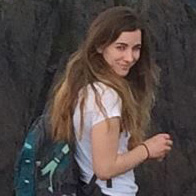
Silvie Cafarella, MSc. Student (2017-2019)
BSc. Biology and Geography, University of Victoria
Silvie’s research focused on the use of satellite synthetic aperture radar as a sea ice monitoring tool in the Arctic. The main goal of Silvie’s project was to improve remote sensing techniques to detect, classify, and derive geophysical parameters of sea ice features in the Canadian Arctic Archipelago. Her research is focused on the use of remote sensing technology for natural hazard mapping, assessment, and mitigation.
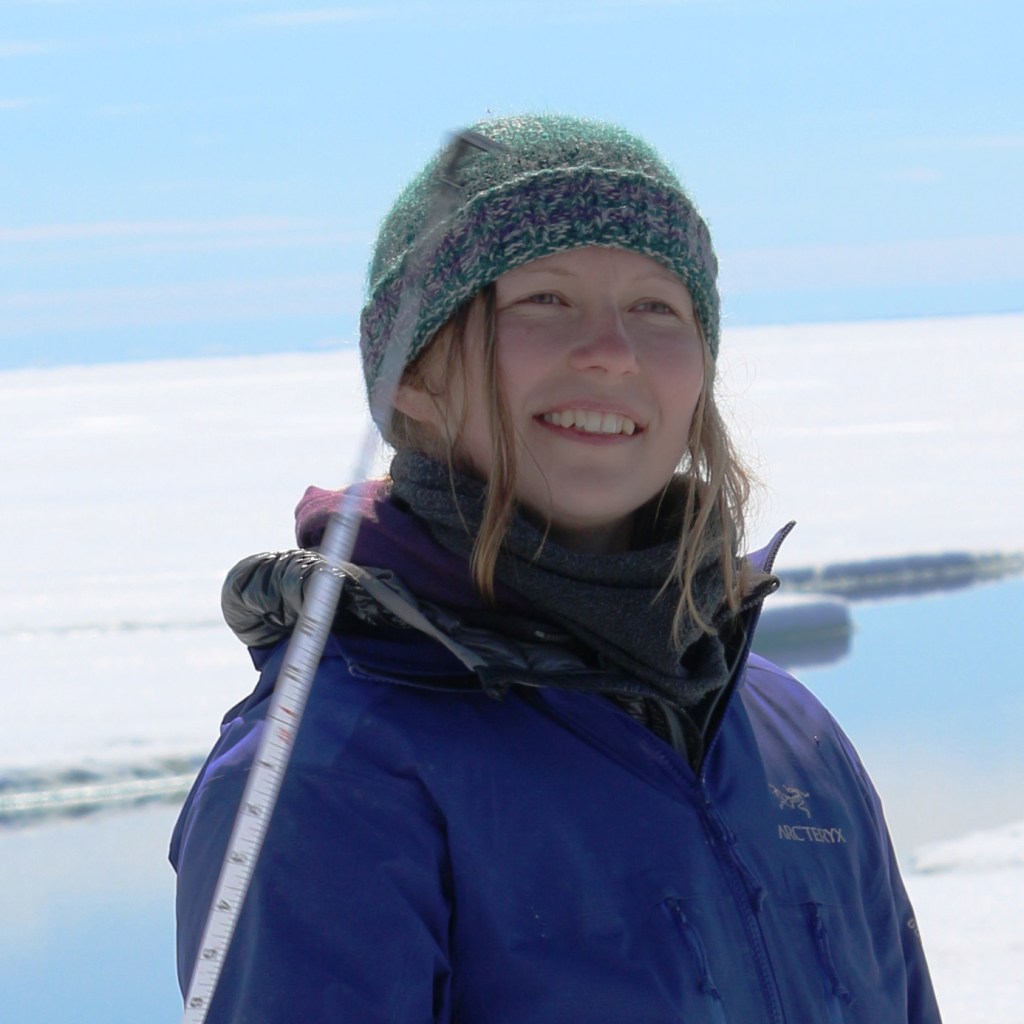
Sasha Nasonova, MSc. Student (2015-2018)
BSc. Physical Geography and Earth and Ocean Sciences, University of Victoria
Sasha’s thesis research investigated linkages between the extent of melt ponds on sea ice to winter (pre-melt) sea ice roughness and thickness, for improved understanding of sea ice structure and melting processes. She also investigated the utility of polarimetric SAR parameters for distinguishing major sea ice types (first-year ice, deformed first-year ice and multi-year ice) during the advanced melt season. Her work contributed to the growing body of literature on the parameterization of melt pond fraction in sea ice-climate models.
 ICE Remote Sensing Lab